Thermal Intelligence for Large-Scale Facilities
37+ Years
Of Infrared Expertise
50 States
Including Alaska, Hawaii and Puerto Rico
Highest-Quality
Thermal Imaging
Engineered
For Facility Decision-Makers
The Most Capable Aerial Infrared Platform in the United States
AIT Scan operates a fleet of fixed-wing aircraft equipped with research-grade infrared sensors built specifically for large-area thermal inspection. We don’t sell drone footage. We deliver actionable thermal data on a scale drones simply can’t reach.
A single flight covers entire university campuses, military installations, multi-school districts, or city-wide steam distribution networks in a single pass — at the right altitude, the right wavelength, and the right time of night for accurate, defensible results.
Our clients are facilities directors, plant managers, energy engineers, and distribution managers responsible for the buildings and infrastructure that can’t fail. We give them the thermal evidence they need to fix problems before they become expensive.
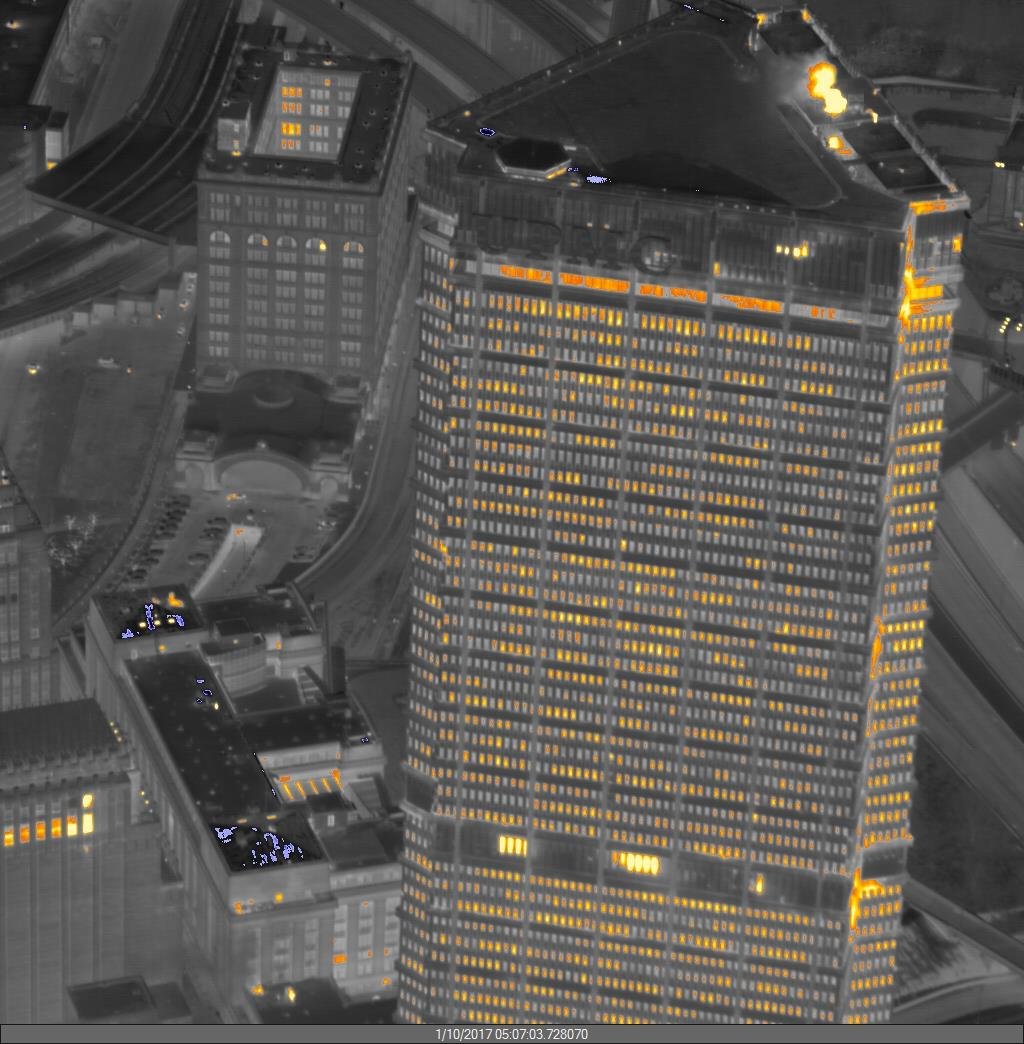
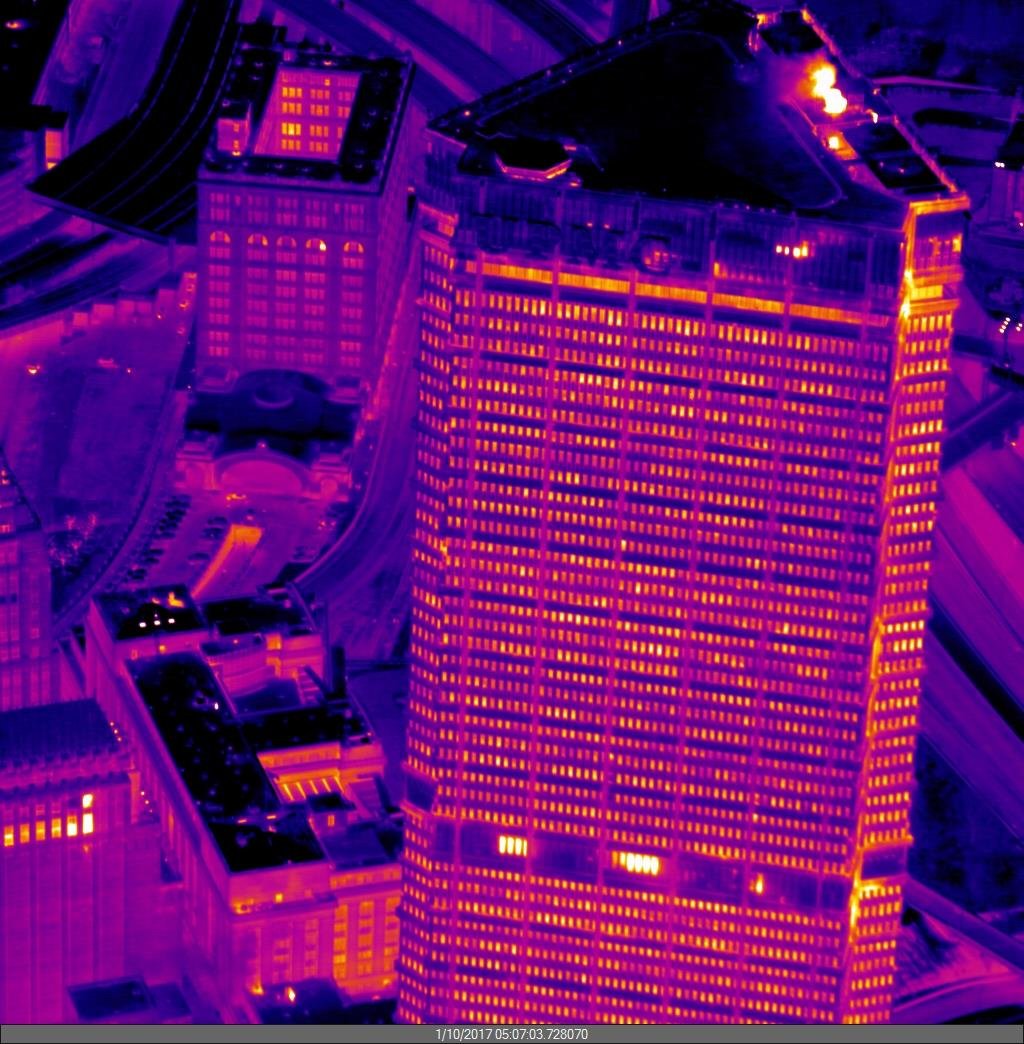
Why Aircraft-Based Infrared Outperforms Other Methods
Coverage Per Flight
Sensor Wavelength
Survey Window
Core Aerial Infrared Services
Aerial Infrared Roof Scanning
Locate trapped subsurface moisture across commercial flat roofs — campus-wide, district-wide, or portfolio-wide — before it becomes structural damage or a full tear-off. The most cost-effective roof intelligence available.
- Learn More
Steam Leak Detection
Underground steam distribution systems lose energy where you can’t see it. We map every leak signature across your entire network in a single survey — typical ROI on a single failing line pays for the inspection many times over.
- Learn More
High-Temp Hot Water Leak Detection
Hot water and condensate return loops are the second most common source of buried thermal loss. We identify failing lines, pinpoint repair locations, and document the system condition for your engineering team.
- Learn More
Pollution & Sewer Leak Detection
Aerial infrared can flag thermal anomalies tied to outfall discharges, sewer line failures, and unauthorized inflows — supporting environmental compliance, utility maintenance, and regulatory reporting.
- Learn More
Solar Field Infrared Surveys
Identify failing modules, hot-spot strings, and combiner-box anomalies across utility-scale solar fields. Aircraft coverage scales to thousands of panels per pass for the largest installations in the country.
- Learn More
CityScan IR
City-wide thermal mapping for municipal steam networks, underground utilities, and infrastructure asset management. Built for cities running aging distribution systems where every leak is a budget event.
- Learn More
Wildlife & Animal Surveys
Thermal census and population-monitoring flights for wildlife agencies, land managers, and conservation programs — covering vast tracts of land that ground surveys can’t reach efficiently.
- Learn More
Landfill Fire & Methane Detection
Subsurface landfill fires and elevated thermal zones can become regulatory and safety emergencies. Aerial infrared identifies hot zones early so operators can intervene before conditions escalate.
- Learn More
Built for the Facilities That Can't Afford to Get It Wrong
Each of our services is tailored to the realities of the people who actually buy them — the engineers and facility leaders responsible for keeping large, complex systems running.
Universities & Colleges
Multi-building campuses with central steam plants and aging distribution. Our typical entry point.
K-12 School Systems
District-wide roof inspections covering every school in a single survey window.
Military Bases
Large-footprint installations requiring efficient, repeatable thermal inspection programs.
Hospitals & Health Systems
Roofing Consultants
Independent moisture data to support engineering specifications and capital planning.
ThermalMapIR Catch-All
Custom inspections for facilities that don’t fit a standard category — we’ll scope the right approach.
Core Aerial Infrared Services
01
Initial Conversation
We start with a short call to understand your facility, the systems you’re concerned about, and the decision-makers involved.
02
Net Meeting
A working session with your full team — engineering, facilities, finance — where we walk through the methodology, deliverables, and ROI specific to your facility.
03
Scheduled Flight
We schedule the survey for the optimal thermal window. You get advance notice of the flight plan, and we coordinate any site requirements ahead of time.
04
Engineering Report
You receive a defensible, location-specific thermal report your maintenance and engineering teams can use to scope, schedule, and justify repairs.
The ROI Math Most Facilities Don't See Until It's Too Late
A single 3/8-inch underground steam leak can cost a facility $30,000 to $50,000 per year in lost energy — and most facilities have more than one. The cost of finding every leak in a network is almost always recovered by fixing the first one we identify.
The same math applies to moisture-saturated roof insulation, failing solar strings, and hot water distribution losses. Aerial infrared isn’t a maintenance expense. It’s the diagnostic step that makes every downstream maintenance dollar more efficient.
Frequently Asked Questions
Aircraft-mounted infrared sensors capture thermal imagery of buildings, roofs, utilities, and ground conditions during flight. The data is then processed, georeferenced, and analyzed to identify thermal anomalies — moisture, steam leaks, equipment failures, or environmental issues — across the entire surveyed area.
Aircraft cover dramatically more area per mission, fly at altitudes optimized for large-area thermal collection, and carry sensor packages engineered for the wavelengths that reveal subsurface moisture and steam. For multi-building, multi-acre, or city-wide inspections, the coverage and sensor differences matter.
Used correctly — at the right time, with the right equipment, and analyzed by experienced thermographers — aerial infrared reliably identifies thermal anomalies that warrant follow-up investigation. We deliver location-specific findings your engineering and maintenance teams can act on.
Subsurface roof moisture, underground steam line failures, hot water and condensate return leaks, certain pollution and sewer discharges, and thermal anomalies in solar arrays and electrical equipment.
Savings are facility-specific, but a single failing underground steam line can cost tens of thousands of dollars annually in lost energy. Identifying and repairing one leak frequently covers the cost of surveying an entire network.
Flight time depends on the size of the facility. A typical university campus is surveyed in a single night. Multi-site or city-wide programs are scheduled across one or more flight windows depending on geography and weather.
Universities, K-12 school districts, hospitals, military bases, cities with steam distribution, utility-scale solar operators, landfill operators, roofing consultants, and any large-footprint facility where thermal data supports maintenance and capital planning.
Yes. Infrared imaging is a passive, non-contact technology. We're collecting thermal radiation that's already being emitted — nothing is introduced to the building, structure, or environment.
Most clients run repeat surveys on a 1–5 year cycle depending on the system being monitored. Aging steam networks and large roof portfolios typically benefit from more frequent inspection cadences.
Each engagement concludes with an engineering-grade report including thermal imagery, location-specific findings, recommended follow-up actions, and supporting documentation your team can use for repair scoping and capital planning.